
 Good Schools Guide

Year 7's History Trip to St Albans: The Peasants’ Revolt
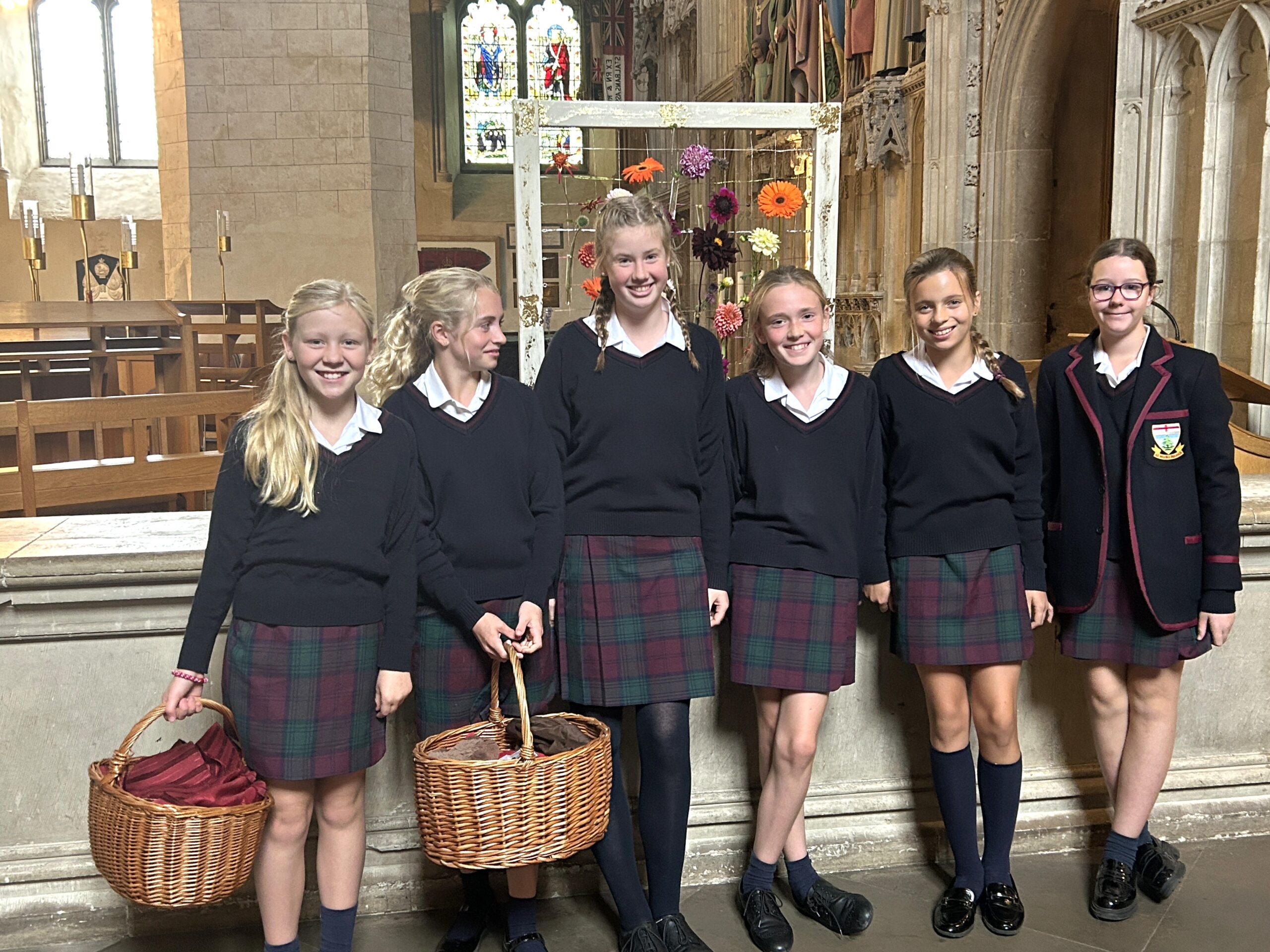
Year 7 enjoyed an engaging and informative History trip to St Albans, where pupils explored the town’s experience of the Peasants’ Revolt of 1381. The visit provided an opportunity to bring their classroom learning to life as they investigated the causes, key events and consequences of this important popular uprising.
The day began at St Albans Cathedral, where pupils examined a medieval image of the monastery that was once attached to the cathedral. They discovered more about the relationship between the townspeople and the powerful monastery, discussing some of the grievances that contributed to growing tensions within the town. Pupils also explored the wider causes of the revolt, including the unpopular Poll Tax, which placed an additional financial burden on ordinary people and helped fuel anger against the government. They considered the role of important ringleaders and how discontent spread into a wider rebellion.
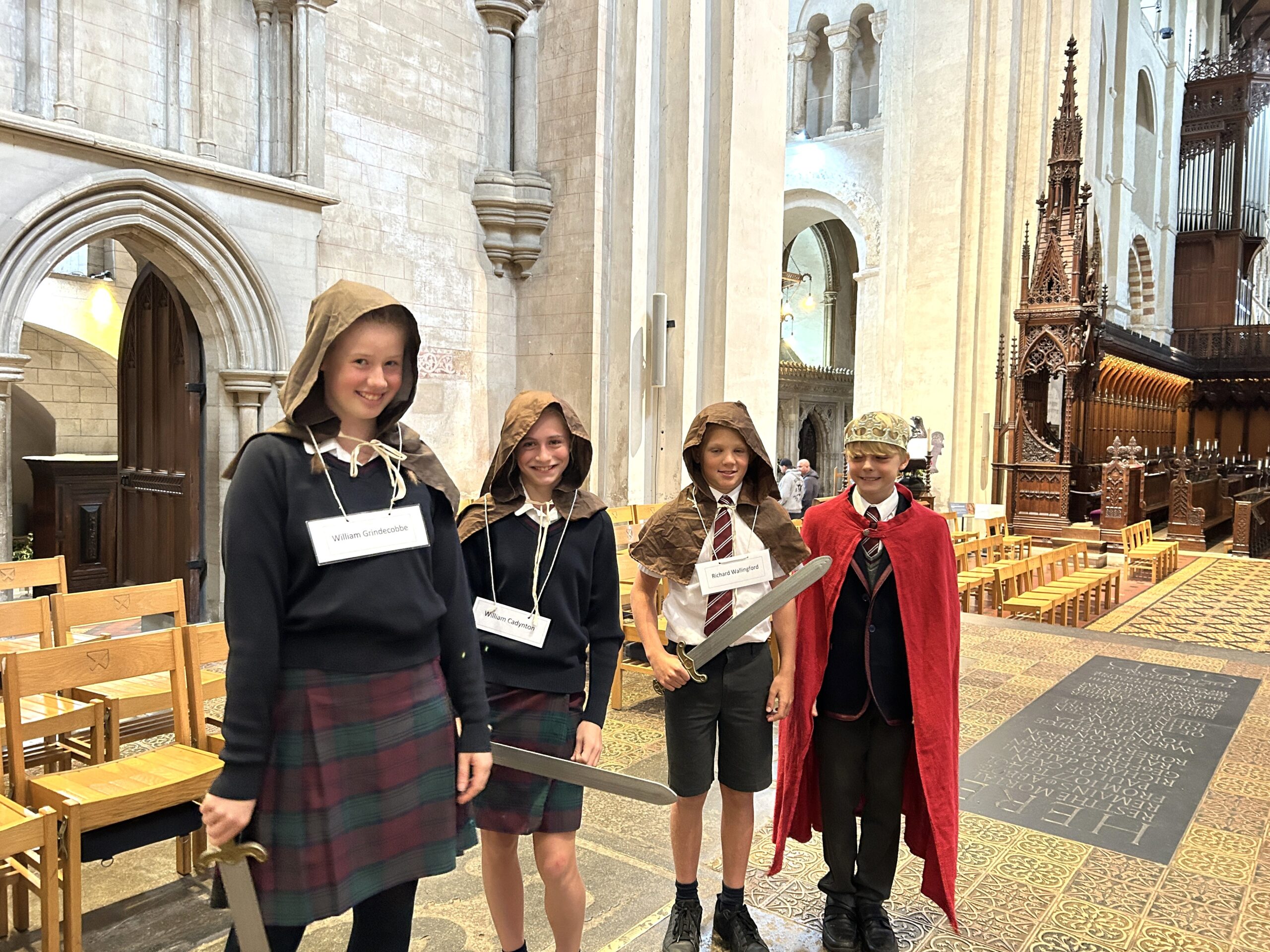
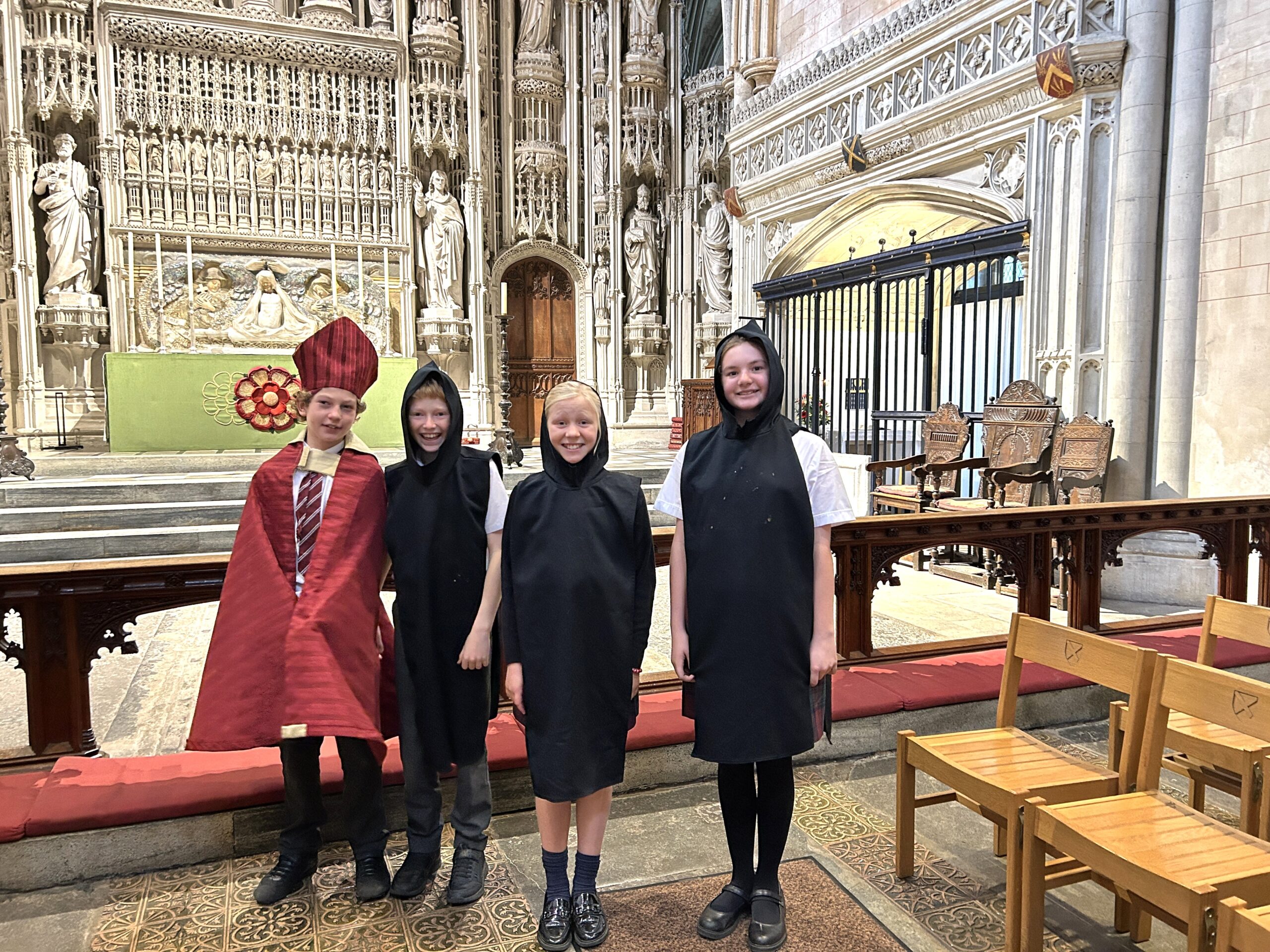
One of the highlights of the visit was an interactive role-play activity in which pupils dressed up and took on the roles of the Abbot, the King, monks and peasants. This gave them the opportunity to consider the different perspectives of those involved and to explore the conflicting interests that contributed to the unrest. The activity encouraged pupils to think carefully about the grievances of ordinary people and the challenges faced by those in positions of authority.
Pupils then climbed the historic St Albans Clock Tower, enjoying wonderful 360-degree views across the town. From this vantage point, they considered the geography of medieval St Albans and identified areas associated with the outbreak of the uprising. Seeing the town from above helped pupils develop a clearer understanding of how the events they had studied were connected to real places and communities.
The final part of the day took place at St Albans Museum, where pupils participated in a workshop exploring the revolt through a range of primary and secondary sources. They examined historical evidence, discussed what different sources could reveal about the uprising and considered their usefulness and reliability. This was an excellent opportunity to develop their historical enquiry skills, encouraging them to question the evidence rather than simply accept every account at face value.
The trip was a valuable opportunity for Year 7 to deepen their understanding of the Peasants’ Revolt and appreciate how local experiences reflected wider tensions in medieval England. Through examining historic buildings, taking part in role-play and analysing historical sources, pupils developed their knowledge of the revolt while strengthening their skills as young historians. It was a thoroughly enjoyable and rewarding day that brought this important period of medieval history vividly to life.